
When summer heat hits Columbus, Ohio, the last thing you want is your air conditioner blowing warm air instead of cool relief. As temperatures soar into the 90s with high humidity, a malfunctioning AC system can quickly turn your comfortable home into an unbearable environment. At The Waterworks Plumbing, Drain, Heating & Cooling, we’ve been serving Columbus and surrounding communities since 1986, and we understand the unique challenges that Ohio’s climate presents to HVAC systems.
Columbus experiences hot, humid summers that push air conditioning systems to their limits. When your AC starts blowing warm air, it’s not just an inconvenience—it’s a signal that something needs immediate attention. Understanding common causes can help you identify whether it’s a simple fix or requires professional intervention.
Understanding Your AC System
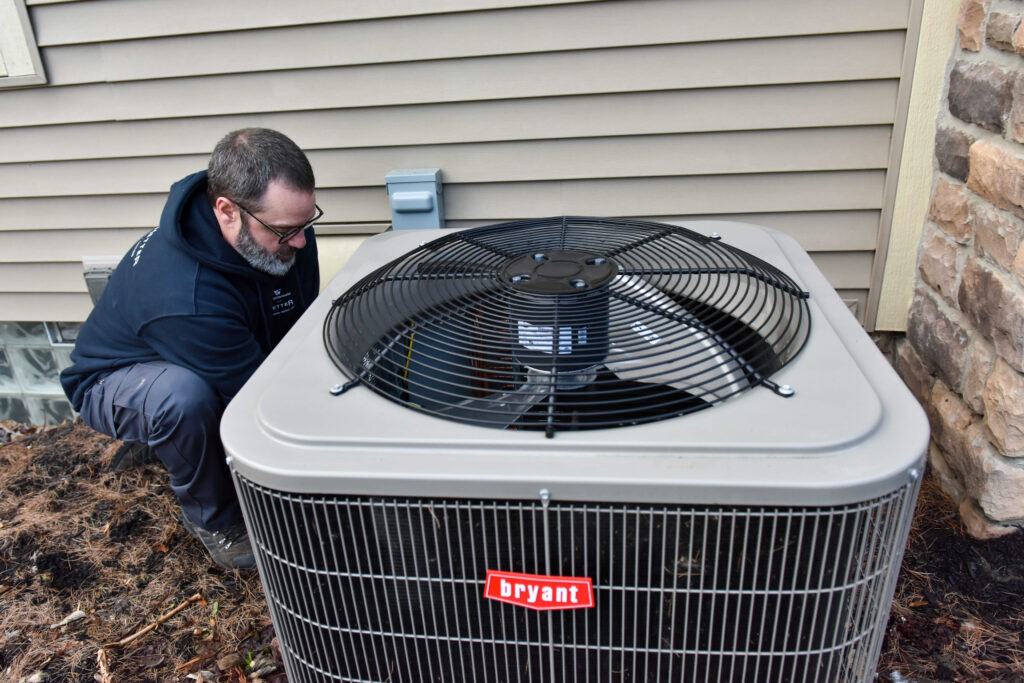
Your air conditioning system removes heat from inside your home and transfers it outside. The evaporator coil inside contains refrigerant that absorbs heat from indoor air. A blower fan circulates air over these cold coils, distributing cooled air through ductwork. The absorbed heat travels via refrigerant to the outdoor condenser unit, where it’s released outside.
This process requires proper airflow, adequate refrigerant levels, clean components, and functioning electrical systems. When any part is disrupted, your AC may struggle to cool effectively, resulting in warm air circulation.
Common Cause #1: Thermostat Issues
Incorrect thermostat settings are among the most frequent causes of warm air problems. Check that your thermostat is set to “cool” mode with the temperature below current room temperature. The fan should be set to “auto” rather than “on”—when set to “on,” the fan runs continuously, circulating warm air from ductwork even when cooling isn’t active.
Modern smart thermostats can develop software glitches or lose programming. Try restarting by removing it from the base for a few minutes. For older thermostats, ensure batteries are fresh and connections secure.
Temperature calibration issues can cause problems. If your thermostat reads incorrectly, it may not trigger cooling when needed. Test with a separate thermometer placed nearby—significant differences indicate calibration problems.
Common Cause #2: Dirty Air Filters
Clogged air filters severely restrict airflow, leading to multiple problems that result in warm air circulation. In Columbus, high pollen counts from oak, maple, and grass can dirty filters quickly, especially during humid summers.
Restricted airflow prevents efficient heat exchange at evaporator coils, can cause coils to freeze over, and forces the system to work harder. Check filters monthly—dirty filters appear gray or brown instead of white. If you can’t see light through the filter, replace it immediately.
During Columbus’s high-pollen spring months, change standard filters every 30-60 days. Higher-efficiency filters may last 90 days but monitor them closely during peak cooling season.
Common Cause #3: Refrigerant Problems
Refrigerant is your AC’s lifeblood. When levels drop due to leaks, cooling effectiveness is severely compromised. Unlike car fuel, refrigerant circulates in a closed loop—low levels indicate a leak somewhere in the system.
Signs include constant running without reaching set temperature, ice formation on coils or lines, hissing sounds, and higher energy bills. In Columbus, where systems work overtime during hot summers, additional stress can accelerate wear and increase leak likelihood.
Refrigerant handling requires special certification and equipment. Never attempt DIY refrigerant work—it’s illegal without certification and dangerous. Professional technicians can locate leaks, repair them properly, and recharge the system correctly.
Common Cause #4: Electrical Issues
AC systems rely on numerous electrical components. Common failures include problems with contactors, capacitors, compressors, or blower motors.
The contactor controls power to the compressor and condenser fan. When it fails, the outdoor unit won’t receive power, meaning no cooling occurs even though the indoor fan may run, circulating warm air.
Capacitors provide electrical boost for motor startup and operation. Failed capacitors prevent motors from starting or cause inefficient operation. Compressor failures eliminate cooling entirely, while blower motor problems reduce air circulation.
Electrical issues are dangerous without proper training. High voltage components can cause serious injury, and incorrect repairs can lead to fires or further damage.
Common Cause #5: Ductwork Problems
Ductwork delivers cooled air throughout your home. Problems include disconnected ducts, holes, poor insulation, and leaks at connections. These issues are common in Columbus area homes, especially older properties.
When ducts are in unconditioned spaces like attics, leaks allow cooled air to escape. In Columbus summer attics exceeding 130°F, even small leaks cause significant cooling loss as cold air mixes with extremely hot air.
Disconnected ducts from vibration, house settling, or pest activity can lose most cooled air intended for specific rooms. Poor ductwork design with inadequate sizing or too many restrictions also reduces cooling effectiveness.
Common Cause #6: Frozen Evaporator Coils
Frozen coils completely stop effective cooling. Ice buildup blocks airflow and prevents heat absorption. Common causes include restricted airflow from dirty filters or blocked vents, low refrigerant levels, and dirty coils.
Columbus’s humid climate accelerates ice formation once it begins. If you discover frozen coils, turn off the system completely and allow natural melting. Never chip or scrape ice—this damages delicate components.
After melting, check and replace filters, ensure vents are open, then restart. If freezing recurs, professional diagnosis is needed.
Columbus Climate Considerations
Columbus’s humid continental climate with hot, humid summers forces AC systems to work harder than in drier climates. High humidity requires moisture removal in addition to cooling, stressing system components.
Significant temperature swings stress HVAC components through frequent cycling. High pollen counts quickly clog filters and coat outdoor coils. Summer storms can cause power outages, electrical surges, and physical damage.
The area’s clay soil expands and contracts with moisture changes, potentially affecting ductwork. High water tables in some areas create basement moisture issues affecting indoor air quality and HVAC performance.
DIY Troubleshooting Steps
Before calling professionals, try these safe troubleshooting steps:
- Check thermostat settings – Verify “cool” mode, proper temperature setting, and “auto” fan setting
- Inspect air filter – Replace if dirty or if unchanged for 30-60 days
- Check vents – Ensure all supply and return vents are open and unobstructed
- Examine outdoor unit – Clear debris within two feet, verify disconnect switch is “on”
- Look for ice – If present on coils or lines, turn off system and allow thawing
- Check electrical panel – Reset tripped breakers once; if they trip again, call professionals
Wait at least five minutes after power restoration before restarting to allow system pressures to equalize.
When to Call Professionals
Call immediately for gas, burning, or chemical odors—these indicate serious safety hazards. Electrical issues including repeatedly tripping breakers, crackling sounds, or visible damage require professional attention.
Refrigerant problems, mechanical component failures, and persistent issues after basic troubleshooting need professional diagnosis. Consider professional service for unexplained energy bill increases, uneven cooling, or frequent problems in systems over 10-15 years old.
Preventive Maintenance
Schedule professional maintenance twice yearly—spring before cooling season and fall before heating season. Technicians will clean and inspect components, check refrigerant levels, test electrical connections, and identify potential problems.
Monthly homeowner tasks include changing filters, keeping outdoor units clean and clear, and monitoring system performance. Note changes in cooling effectiveness, unusual sounds, or energy consumption increases for early problem detection.
Consider upgrading to programmable or smart thermostats for improved efficiency and diagnostic capabilities.
Conclusion
When your AC blows warm air during Columbus’s demanding summers, quick action prevents discomfort and system damage. While some issues like thermostat settings or dirty filters can be homeowner-resolved, many problems require professional expertise.
Understanding common causes helps you make informed decisions about DIY troubleshooting versus professional help. Columbus’s unique climate with high humidity, temperature swings, and seasonal challenges makes regular maintenance even more critical.
At The Waterworks Plumbing, Drain, Heating & Cooling, we’ve helped Columbus area homeowners stay comfortable since 1986. Our experienced technicians understand Ohio’s climate challenges and can diagnose and repair any cooling problem quickly and effectively.
Don’t let AC problems disrupt your summer comfort. Contact The Waterworks at 614-232-2222 to schedule service and ensure reliable cooling all season long. Regular maintenance and prompt problem attention keep you comfortable while saving money on energy bills and preventing costly emergency repairs.
